
How Senior Living Supports Independence Longer Than Aging at Home
Explore how senior living communities offer proactive care, built-in social support, and smart design.

Many people assume that staying in their family house is the ultimate way to maintain freedom as they grow older. The idea of aging at home feels familiar, comfortable, and deeply tied to personal autonomy. However, this common belief often overlooks the hidden barriers that a traditional house can present over time.
When mobility changes or daily tasks become demanding, the home you love can quickly become a place that limits your freedom. Studies show that structured environments often help older adults retain physical, emotional, and cognitive independence much longer.
This post will challenge the misconception that a private house is the only place for true freedom. We will explore how senior living communities offer proactive care, built-in social support, and smart design. By the end, you will understand how finding the right support empowers you to live life on your own terms.
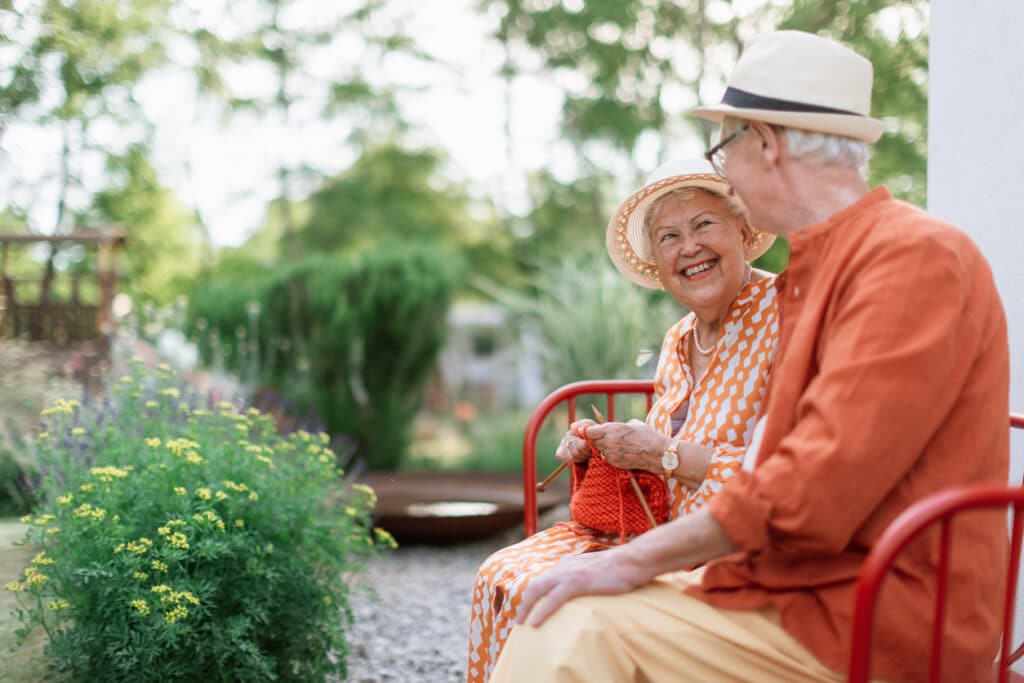

Defining Independence in Older Adulthood
To understand the benefits of senior living communities, we first need to look at what independence actually means. Independence is not just about doing everything completely by yourself. It is about having choices, maintaining your quality of life, and engaging with the world around you.
Physical Autonomy: Physical independence means moving through your environment safely and comfortably. It involves having the energy and ability to do the things you enjoy. When a living space creates obstacles, physical autonomy naturally shrinks.
Decision-Making and Routine Control: True independence involves deciding how you want to spend your day. It means choosing your meals, selecting your activities, and setting your own schedule. Maintaining control over these daily choices is a core part of personal freedom.
Emotional and Social Connection: We often forget that independence includes the ability to build and maintain relationships. Emotional autonomy thrives when you can easily connect with peers, join conversations, and participate in community life without needing to arrange complex transportation.
Find a Community in your area
No matter your need, we have the right community for you. Get started finding the perfect new home for you or your loved one today!
How Senior Living Promotes Physical Independence
A major advantage of senior living is the environment itself. These communities are purposefully built to remove the physical barriers that often trap older adults in traditional homes. When you eliminate these hurdles, you naturally foster greater freedom.
If you are exploring independence in assisted living, you will notice that the physical design is completely focused on resident safety. Accessible apartments feature walk-in showers, grab bars, and wide doorways. You no longer need to worry about climbing steep stairs to do the laundry or reach your bedroom.
Many communities also offer on-site physical therapy and wellness programs. Having these resources just down the hall makes it incredibly easy to maintain your strength and balance. Regular exercise directly prevents falls and keeps you mobile longer.
Furthermore, getting assistance with activities of daily living (ADLs) prevents injuries. When trained staff help with challenging tasks like bathing or dressing, you conserve your energy. You can then spend that energy on hobbies, social events, and activities that bring you joy.


Cognitive and Social Engagement
Mental agility is just as important as physical health when it comes to long-term autonomy. Isolation is a significant risk factor for cognitive decline and living alone in a traditional house often leads to reduced social interaction.
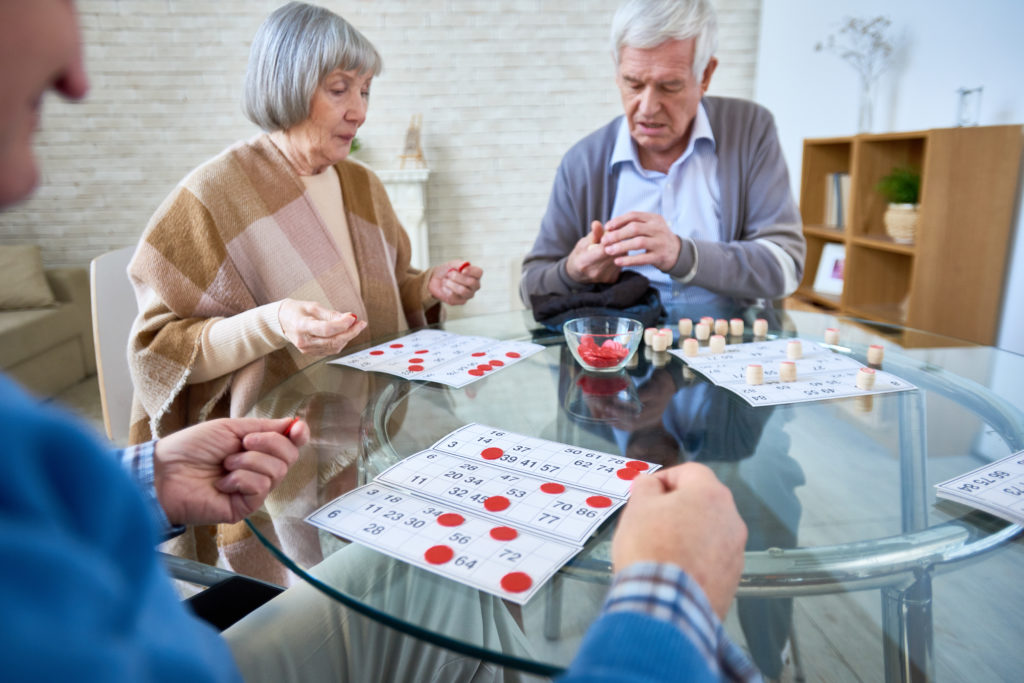
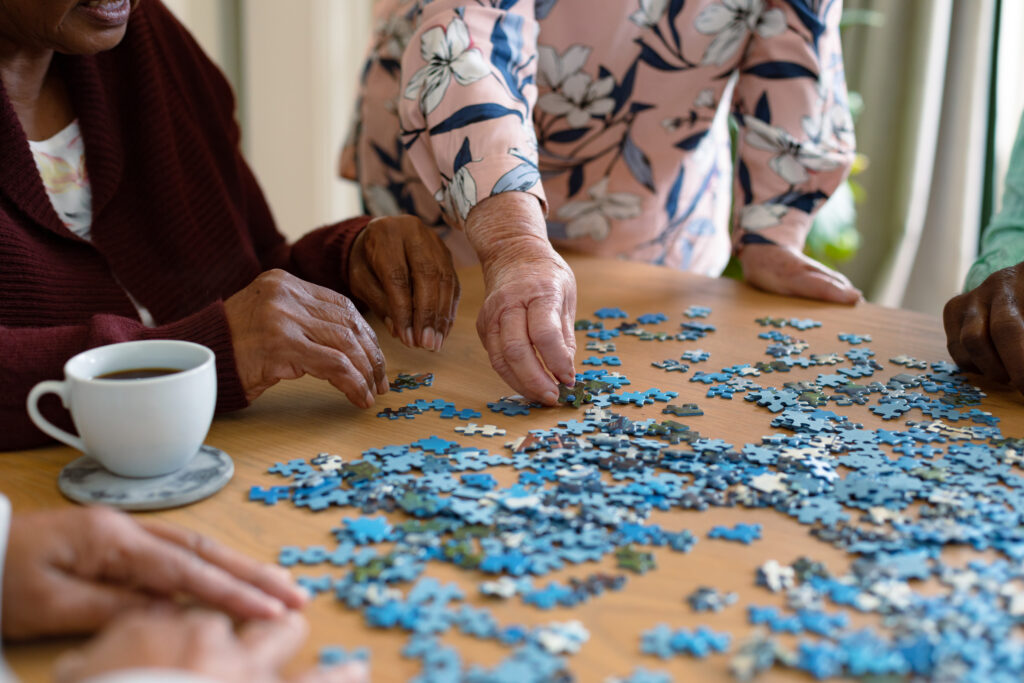
Senior living communities excel at providing structured, vibrant social environments. Residents have access to a full calendar of regular social activities. You can join book clubs, art classes, fitness groups, and community outings. This built-in social network keeps your mind active and engaged.
For those who need it, memory care enhancements offer specialized support that preserves dignity. These communities use thoughtful design and specialized programming to help residents navigate their days successfully. The focus remains on what residents can do, celebrating their current abilities.
Communities also provide continuous brain fitness and learning opportunities. Guest lectures, music therapy, and interactive games challenge the brain in new ways. This constant stimulation is difficult to replicate when living alone at home.
Nutrition, Medication, and Routine Management
People often ask, “does assisted living support independence?” The answer is a resounding yes, especially when it comes to managing the complex routines of daily life. Support with essential tasks acts as a safety net that extends your autonomy.
Avoiding malnutrition is a common challenge for older adults living alone. Grocery shopping, meal prep, and cooking can become exhausting. Senior living communities provide chef-prepared, nutrient-dense meals. This ensures you get the nutrition you need to stay strong, without the hassle of cooking and cleaning.
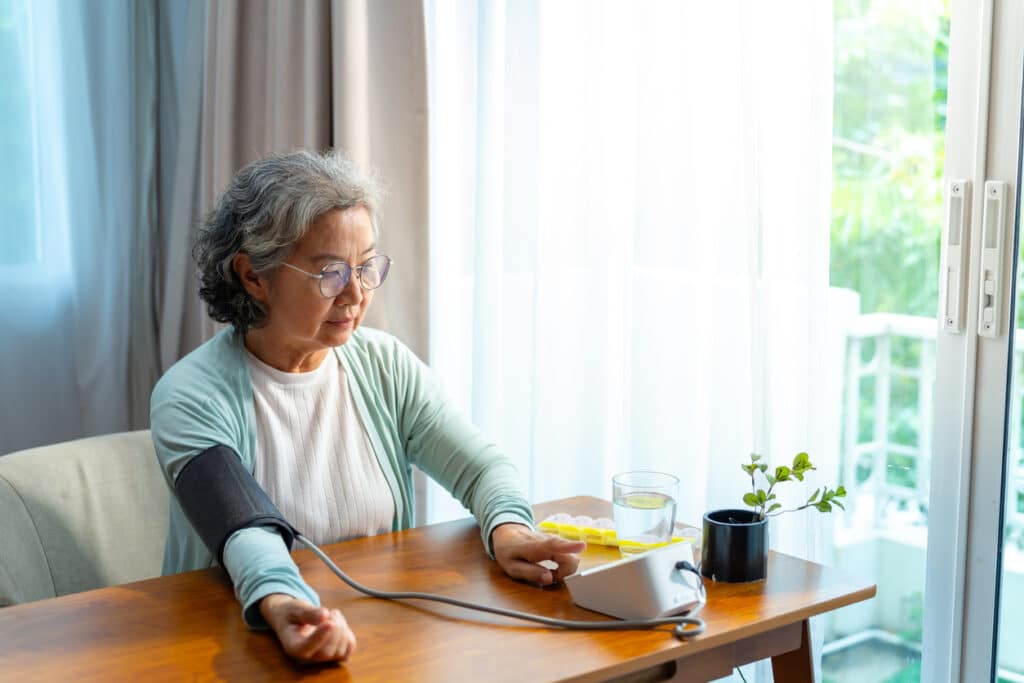
Medication adherence is another crucial factor. Managing multiple prescriptions with different schedules can easily lead to mistakes. In a senior living community, professional staff ensure you take the right medications at the right times. This simple support prevents medical emergencies that could force a hospital stay.
Having reliable schedules and assistance when needed removes the mental burden of daily management. You no longer have to worry about house maintenance, scheduling repairs, or paying multiple utility bills. This frees up your time and mental energy to simply enjoy your life.



Comparison: Aging at Home Challenges
When looking at senior living vs aging at home, it helps to understand the hidden obstacles of remaining in a traditional house. Over time, a familiar home can slowly evolve into a restrictive environment.
Let’s examine the common pros and cons associated with staying home:
Isolation and Lack of Social Engagement: Staying at home often means relying on family or paid caregivers for social interaction. As driving becomes difficult and friends move away, isolation grows. This lack of engagement can lead to depression and a faster decline in overall health.
Fall Risks and Home Hazards: Standard homes simply are not built for aging bodies. Throw rugs, slippery bathroom tiles, and poor lighting become significant hazards. A single fall in a traditional home can instantly result in a complete loss of independence.
Difficulty Managing Appointments and Tasks: Coordinating doctor visits, managing medications, and keeping up with yard work takes a massive amount of effort. Often, this burden falls on family members. When older adults struggle to manage these tasks alone, their actual independence is heavily compromised.
Resident Testimonials and Quality of Life Outcomes
Data from the National Institute on Aging and various university studies consistently show positive health outcomes in senior communities. However, the real proof comes from the residents themselves. Time and again, older adults report feeling a renewed sense of freedom after moving.
Many residents say they wish they had made the move sooner. They often report increased confidence because they no longer fear falling while completely alone. Knowing that help is just a call button away actually encourages them to walk more and participate more fully in life.
Loved ones also notice a remarkable difference. Instead of spending visits doing chores and managing medications, they get to simply be family again. Residents frequently express immense relief that they are no longer a burden to their loved ones. They feel happier, more mobile, and more in control of their daily joy.



Senior Living FAQs
It’s natural to have questions as you learn more about senior living. Here are answers to some of the most common questions families ask.
Is assisted living better than home care for seniors?
It depends on individual needs, but assisted living often provides a more comprehensive solution. It combines 24/7 care, accessible housing, and built-in social engagement. Home care provides medical or personal assistance but does not solve issues like home maintenance or social isolation.
What if my parent wants to stay home but needs help?
Start by having an open, empathetic conversation about their safety and daily struggles. You can review an activities of daily living checklist together to identify gaps in their care. Exploring the reality of home care costs versus senior community living can also help clarify the best path forward.
Do residents lose independence in senior communities?
No. In fact, the opposite is true. By removing barriers like home maintenance, cooking, and safety hazards, residents gain more time and energy. This supportive environment allows them to maintain their autonomy and focus on what they love doing.

Can I still make my own schedule in senior living?
Can I still make my own schedule in senior living? Absolutely. You have complete control over your daily routine. You decide when to wake up, which meals you want to attend, and which activities you want to join. If you want to spend the afternoon reading quietly in your apartment, that is entirely your choice.
Discover True Independence with Frontier Senior Living
True independence is about living your life safely, joyfully, and on your own terms. While aging at home sounds like the best way to maintain freedom, the physical and social barriers often tell a different story. Senior living communities are specifically designed to empower you, providing the exact balance of support and autonomy you need to thrive.
If you or a loved one are ready to explore a vibrant, supportive lifestyle, we are here to help. Learn more about home care or assisted living and discover the complete guide to independent living on our website. Reach out to Frontier Senior Living today to find a community that celebrates your independence every single day.
Find a community near you
that perfectly fits your needs.
Nearby Communities
The Reserve at Peachtree City Senior Living & Memory Care
441 Prime Point Peachtree City, Georgia 30269 770-407-5242 Levels of Care:Assisted Living, Memory Care
The Landing on Dundee Senior Living
156 West Dundee Road Wheeling, Illinois 60090 (224) 313-4547 Levels of Care:Assisted Living, Memory Care
Senior Living at the Greens
4950 Florida 16 St. Augustine, Florida 32092 Levels of Care:Assisted Living, Memory Care